- Musings From Deepak @ DSG Consumer Partners
- Posts
- Deepak's Musings #181: 🔮 10 Things DSGCP is Excited About for 2026
Deepak's Musings #181: 🔮 10 Things DSGCP is Excited About for 2026
💄 XRC Ventures’ Brand Capital Fund’s three-part series on the economics, incentives, and evolution of consumer brand building

Deepak Shahdadpuri
December 22, 2025
I'm passionate about exploring every facet of consumer and insurgent brands. Through my newsletter, I curate insights from my reading, analysis, and personal reflections on the evolving brand landscape. Connect with me on X at @dishahdadpuri or follow DSG Consumer Partners at @dsgcp for ongoing conversations about brands reshaping markets.
This is the last newsletter for 2025. Happy holidays, and see you in 2026.
p.s. You can click any summary link to read the full article from its source.

© Image from XRC Ventures The Brand Capital Report
🔮 10 Things DSGCP is Excited About for Insurgent Consumer Brands in 2026
At DSGCP, we have spent over a decade backing the founders who reshape how consumers eat, live, and care for themselves across India and Southeast Asia. As we look toward 2026, the "insurgent" playbook is evolving. It is no longer just about being digital-first; it is about being human-centric, culturally resonant, and structurally resilient.

After analysing the latest insights from our investment team, here are the 10 themes we believe will define the next wave of winners—and how they connect to the brands we are building today.
Credit: This is a synthesis of the inputs I received from all members of the DSGCP team last week. Thank you!!
1. The "Anti-AI" Premium: IRL as the Ultimate Moat In a world of infinite, AI-generated digital content, authenticity and physical presence become the ultimate luxuries. We are doubling down on "In Real Life" (IRL) experiences. Our investments in Stayvista, Eazydiner and WanderOn are a testament to this; as AI commoditises the digital, the value of curated, real-world human connection skyrockets. The brands that win in 2026 will be those that move people away from their screens and into the world.
2. From "Clean" to "Clinical" Awareness: The "clean label" movement has matured into a scientific revolution. We’ve moved from basic wellness to high-efficacy, ingredient-led brands like Nutrova, Moom and Deconstruct. By 2026, consumers will track their biology with precision, favouring brands that offer "clinically tested" and "bio-active" results over vague marketing claims.
3. Science in Tradition: Modernising Heritage Consumers are looking for the "why" behind the "what" in traditional wisdom. We see a massive opportunity in founders bringing modern science to age-old practices. Our investment in The Indus Valley proves this: it’s not just about traditional cookware, but also about the science of health-safe materials and toxin-free living.
4. Solving the Urban "City Tax": Urban living in 2026 comes with structural pain points: density, pollution, and time scarcity. We are backing brands that solve for the "City Dweller." The winners will be those who solve the specific stresses of modern city life, for example, Ugaoo, which brings nature into cramped apartments.
5. The Human Voice in an AI World: When every brand can generate "perfect" AI creative, "perfect" becomes boring. We believe the brands that win in 2026 won’t sound smarter or louder. They will sound human and be fronted by founders who can build IRL communities. We see this at Colourette Cosmetics, Pip & Nut, Aire and Moom, where a deeply opinionated and inclusive founder voice creates trust and loyalty that a machine cannot replicate.
6. The Quick Commerce Equilibrium: We are reaching a state where almost all e-commerce is becoming "Quick." We’ve documented this in our QComm Growth Playbook, working with brands like Farmley, Bombay Sweet Shop and Go Zero to master the 10-minute delivery revolution. By 2026, this will be the standard for how all insurgent brands reach their customers.
7. Cultural Relevancy: Most brands have a finite life, but a rare few become icons. Cultural relevancy is the difference between a product and a brand. Take the Pepsi paradox: while it often wins blind taste tests, it continues to lose cultural share to Coca-Cola. Why? Because Coke has remained stable and iconic in its identity for decades, it has become a part of the cultural fabric. We seek founders who build for that level of permanence—much like Sula did for Indian wine, Epigamia for dairy, or Brewlander for craft beer in Singapore.
8. Resilience through Vertical Integration: As supply chains become more volatile, the most exciting brands in 2026 will be those that own more of their value chain. Whether through proprietary formulations or specialised manufacturing, vertical integration is becoming a defensive moat that protects margins and ensures consistent quality when competitors struggle. Some great examples in our portfolio are Veeba, Bombay Banta and Kilrr.
9. AI Replaces Search for Discovery and Trial: The era of "Googling" for a product is ending. In 2026, discovery will happen via AI agents and intent-driven conversations. The winners will be brands that are "legible" to AI. Where trust signals like reviews and founder voice are readily synthesised by AI to recommend a "trial." You no longer optimise for keywords; you optimise for trust.
10. Capital Efficiency as a Competitive Weapon: The "growth at all costs" era is OFFICIALLY over. At DSGCP, we never actively bought into that view. Those who know us know that capital efficiency is our true north. In 2026, profitability is a powerful moat. We see this in EazyDiner, one of the few profitable consumer-internet companies in India. A profitable brand has the resilience to survive downturns and the flexibility to outlast less disciplined competitors.
👄 Arata and Deconstruct at L’Oréal’s BOLD Day (2025 Edition) in Paris
At this year’s 3rd BOLD Forum 2025 in Paris, it really felt like it was India day. It kicked off with a keynote delivered by Bain & Company’s Nikhil Ohja, laying out India’s BPC opportunity. Over the day, India was well represented by two Indian insurgent BPC brands, Arata and Deconstruct, both DSGCP portfolio companies.
The panels, keynotes, and firesides covered a range of topics, including longevity, aesthetics, China and India as growth markets, retail disruption, AI, innovation, the scale-up journey of insurgent brands across geographies, and more. Super opportunity for founders from US, Europe, India, China, Japan and South Korea to exchange notes, ideas and learnings.
Special thanks to the BOLD and L’Oréal teams - Samantha Etienne, Muriel Atias, Presca Ahn, Olivier Rolland, Céleste Grossgold, Guive Balooch, Xiaolin Zhang, Christophe Babule, Tony Khajenouri and everyone else who made this event a super success.
TLDR: India is on every large BPC company’s radar as Indian consumers start spending more of their disposable income on this category.

Pistures from The Bold Day 2025, 3 Dec 2025, Paris, France.
💄 XRC Ventures’ Brand Capital Fund’s three-part series on the economics, incentives, and evolution of consumer brand building
Does it take US$15-25 Mn to build a US$100 Mn revenue insurgent brand? XRC Ventures says so in its recent series in the Brand Capital Report. With caveats, XRC claim that in their “analysis of successful growth-stage brands shows that reaching $100M in revenue typically requires $15M–$25M in total invested capital”. At US$15-25 Mn, that is an impressive capital efficiency of 4.0-6.6x. Below are the links to all three papers.

After the report, Beauty Independent questioned if it was too capital-intensive; yes, too intense! I think a capital efficiency over 4.0x is great. They asked whether achieving US$100 Mn in revenue requires less than US$15 Mn in spending and consulted 10 BPC investors for their views.
👀 The New Consumer’s Consumer Trends 2026 Report
Regular readers will know I am a big fan of the work Dan Frommer of The New Consumer does with Coefficient Capital in their bi-annual Consumer Trends Report. The latest report is a 122-page tome, which I encourage anyone in the consumer space to review and explore the rabbit hole that excites them most.
In her deep dive for Forbes, Josipa Majic identifies five "mega-trends" that will dictate which brands thrive and which disappear by 2026. This article is an essential roadmap to the forces that could reshape your daily life.
For the full 122-page report, click here: Consumer Trends 2026

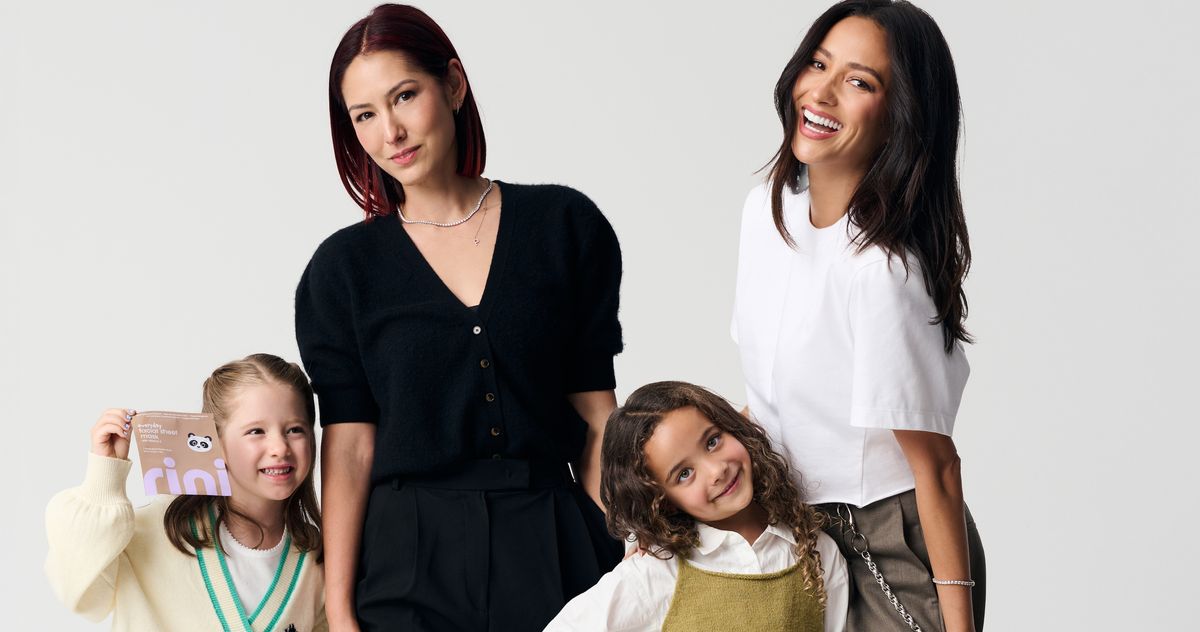
👶🏻👦🏻👧🏻 Please let kids be kids! How young is too young to start a skin care routine?
I have very mixed feelings about this. As a father of three (my kids are 18, 17 and 12), I do not think it is appropriate to target a 3-year-old. Some argue it is targeting mothers (why not dads?!) and offering recession products for the post-baby period.
Children are accessing social media earlier (I hope not at 3), and they are exposed to messages much earlier than I was. Are brands right to commercialise, and can they be responsible?
Interesting to see this happening when some countries are considering a ban on social media - Australia banned some social media last week, with children under 16 not having “legal” access to social media as of 10 Dec 2025.
What do the readers of this newsletter think? Please share your POV in the comments.
💅🏻 The brutal Indian BPC market
India’s BPC market has seen so many new brands and entrants. There are good reasons why entrepreneurs are looking at the category. India is the world’s 4th-largest beauty market. The BPC market is forecast to grow at a healthy rate over the next decade, with much of the incremental growth driven by insurgent brands.
On the other hand, consumers are more product-driven and less brand-loyal (see the last issue of my newsletter).
I have been investing in brands for over 20 years, and it has never been easier to launch a brand. In the last three years, we have seen hundreds of new brands flood the India (and SEA) market. Economics 101 tells us that when SS > DD, either supply reduces, or DD increases until we reach equilibrium. The reality is that supply has increased materially more than demand.

🐾 India’s pet market
Does Reliance’s entry mark the "Jio moment" for the Indian pet market? Does this mark the shift from a fragmented, premium niche to a large-scale, vertically integrated battlefield? I have been super bullish on the pet opportunity since I started DSGCP in 2012. We are only at the start of what will become a vast market. Great time to be building brands for pet parents. But now you have Reliance to compete with too. Beware!
🔥 The Kama case study
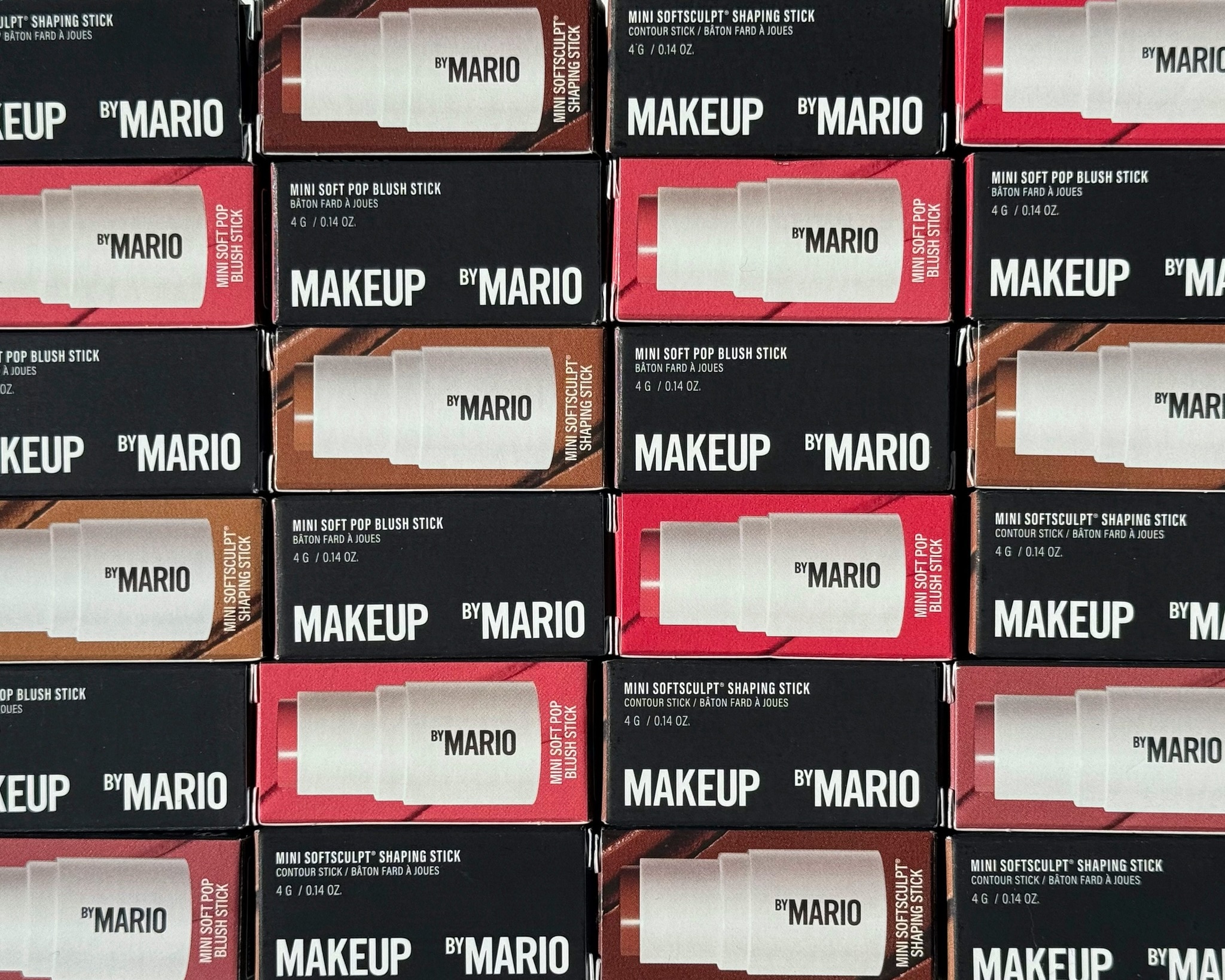
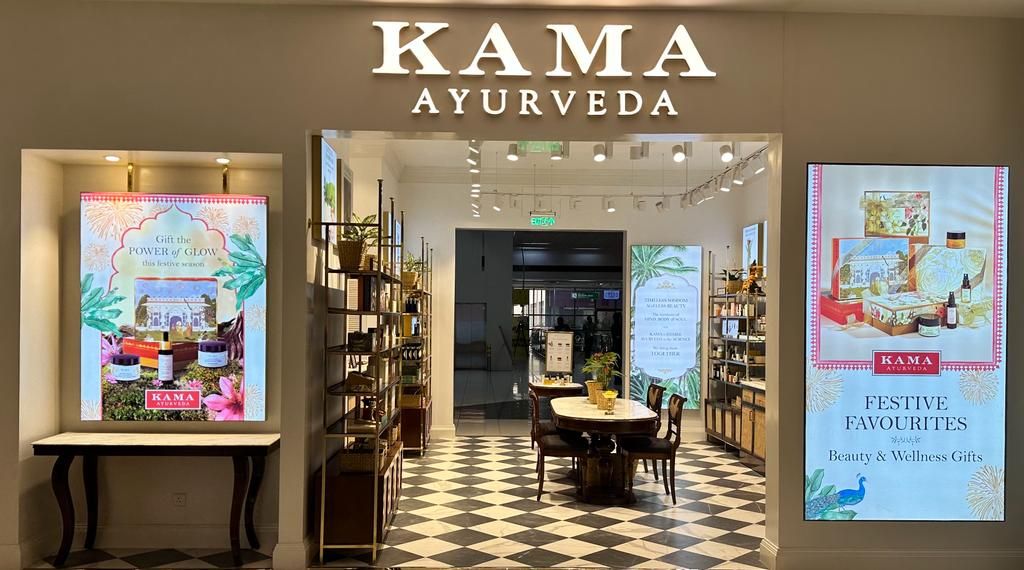
Expect more acquisitions as larger CPG companies acquire fast-growing insurgent brands.
🧔🏻 Men’s BPC
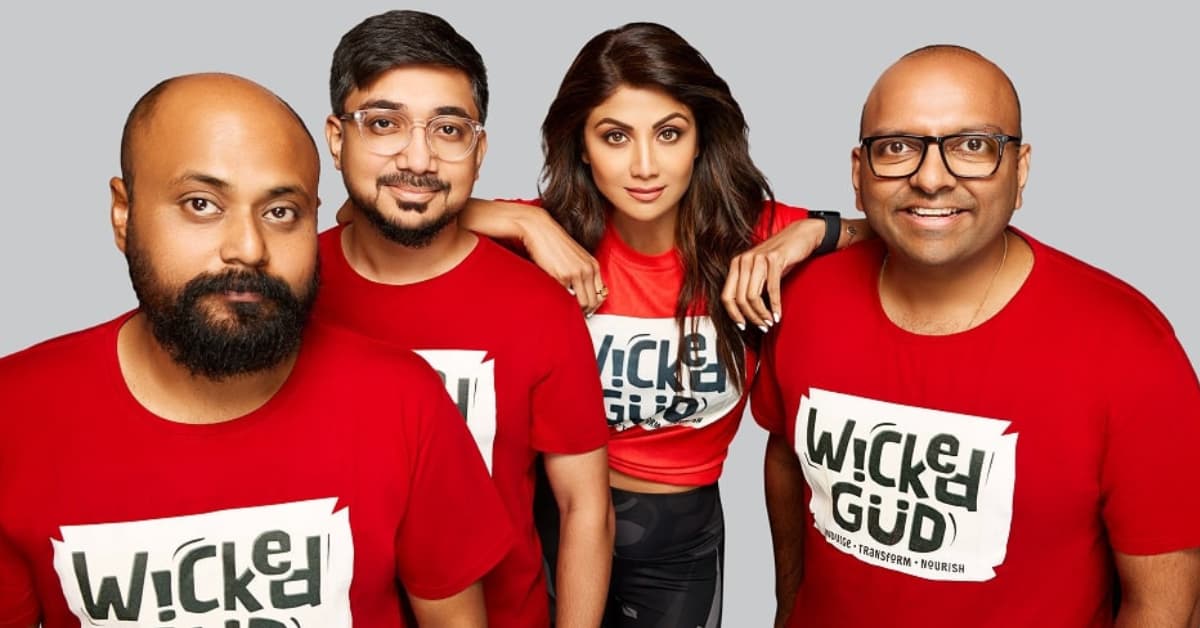
As I reflect on the recent wave of acquisitions, it signals to me that the men’s grooming market is maturing from a niche to an important BPC category, with incumbents now buying their way into it with increasing frequency.






Reply